
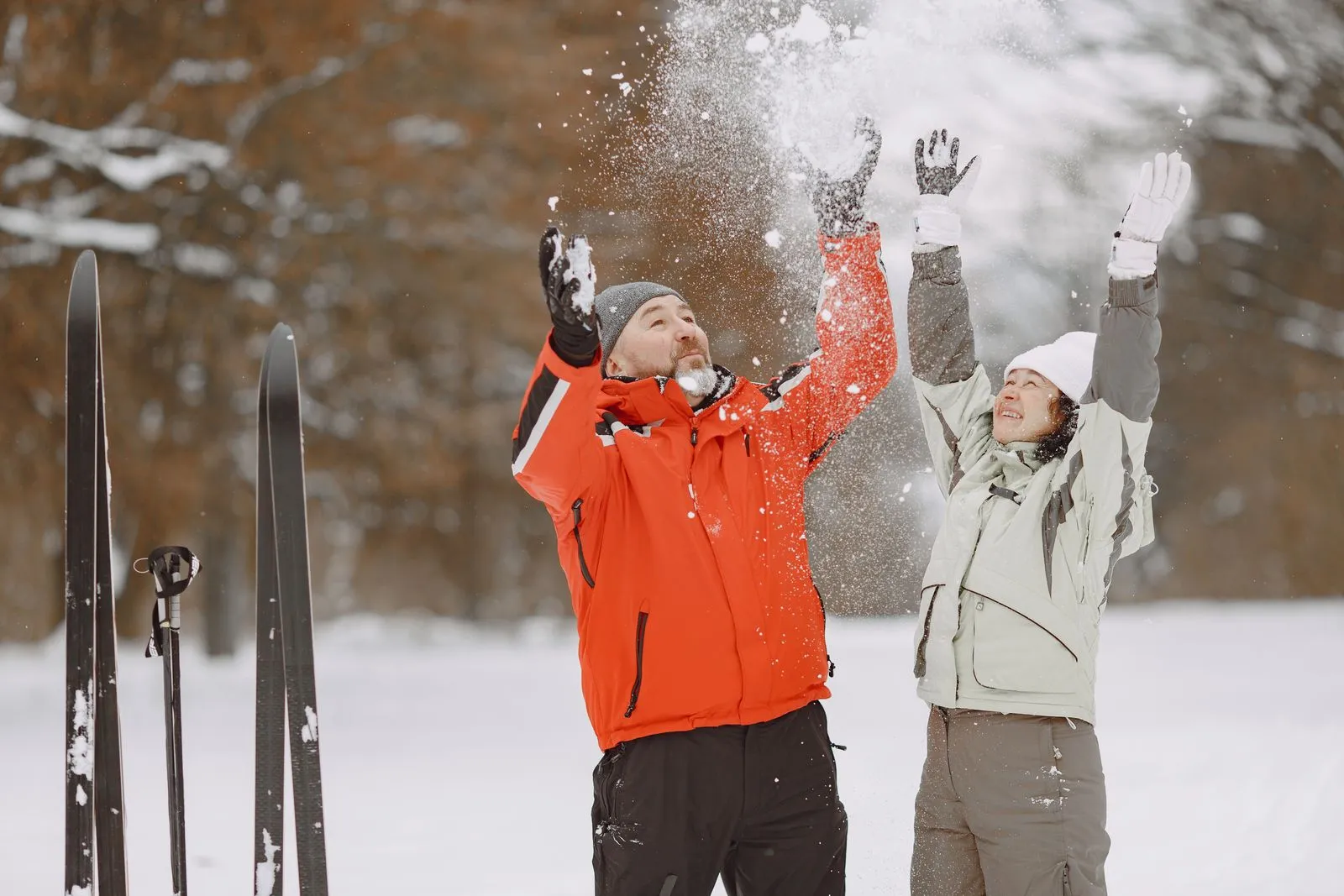
The right clothing can make a ski lesson more comfortable, especially when you are standing between runs or learning at a slower pace. Spokane-area weather can shift, so plan for cold air, wind, and snow rather than relying on one heavy layer. Choose clothes you can adjust, keep your hands and feet warm, and leave enough freedom to bend and move. A few thoughtful choices help you focus on the lesson instead of the temperature.
Build Layers You Can Adjust
Start with a moisture-wicking base layer made from synthetic fabric or wool. Avoid cotton next to your skin; it holds moisture and can feel cold when damp. Add a warm midlayer, such as a fleece or light insulated jacket. A thin layer under a warmer layer is easier to adjust than one bulky sweater.
Finish with a waterproof, wind-resistant ski jacket and pants. Look for cuffs and closures that keep snow out, plus enough room to move without pulling or bunching. If you tend to get cold while resting, pack a light extra layer in a small bag or leave one in the lodge.
Protect Hands, Head, and Eyes
Wear insulated, waterproof gloves or mittens. Mittens often keep fingers warmer, while gloves make it easier to handle zippers and small items. Bring a spare pair if you have one, since wet gloves can quickly become uncomfortable. Avoid thin knit gloves as your only hand protection.
Use a properly fitted ski helmet that sits level and feels secure without pressing painfully. Many ski areas offer rentals, but check availability and fit before your lesson. Add goggles or sunglasses with UV protection to shield your eyes from glare and wind. A neck gaiter can cover exposed skin; keep it clear of your mouth and helmet straps.
Choose Warm, Comfortable Footwear
Wear one pair of warm, ski-specific or medium-weight wool socks. Thick socks and multiple pairs can bunch inside ski boots, restrict circulation, and make feet feel colder. Pull socks up smoothly, with no folds, and keep their tops below the boot cuff.
For walking before and after skiing, bring insulated, waterproof winter boots with good traction. Ski boots are designed for skiing, not for walking around all day. If you rent boots, tell the staff about pressure points or difficulty fastening them; a comfortable fit matters for both warmth and control.
Pack a Few Useful Extras
Bring sunscreen and lip balm, even on a cloudy day. Snow reflects sunlight, and wind can dry exposed skin. A small amount of water and a snack can also help you stay comfortable through breaks. Keep personal items secure in a zippered pocket, and avoid carrying anything bulky where it could interfere with movement.
Check the local forecast and resort conditions before leaving, then adjust your layers for the day. Pack an extra pair of socks and gloves if space allows, and plan a warm change of clothes for the ride home. Spokane Senior Ski can help you think through lesson-day clothing and gear before you head to the slopes.
A comfortable ski outfit starts with dry base layers, adjustable warmth, waterproof outerwear, and well-fitting protection for your hands, head, and eyes. Keep socks smooth and bring a few simple extras for changing conditions. If you have questions about what to bring to a lesson, contact Spokane Senior Ski before your day on the slopes.